Dealing with a stream of customer complaints and seeing negative reviews pop up is absolutely draining. You poured everything into building your business on a promise of quality, but lately, it feels like you're just putting out one fire after another.
You find yourself worrying that one bad batch or one off-day could unravel the reputation you've worked so hard to build. It’s a constant, nagging stress that pulls your attention away from what really matters—growing your business.

This isn't just about handling a few returns. It’s about losing the trust of your customers and, as a result, losing revenue. For a business owner like you, every single customer interaction counts, and a scathing review can feel like a direct hit.
Regain Control with a Simple Plan
Here’s the good news: there is a clear way out of this cycle. You don't have to be overwhelmed by quality issues. By putting structured quality control processes in place, you can finally shift from being a firefighter to being the architect of your business's success.
Think of us at Review Overhaul as your trusted guide. We have a simple, 3-step plan to help you:
- Regain control over your product and service standards.
- Ensure every item that leaves your business meets the high bar you've set.
- Turn customer satisfaction into your most powerful and reliable asset.
It’s time to stop dreading the next complaint and start building a business known for its unshakable excellence. This journey starts right now.
What Are Quality Control Processes, Anyway?
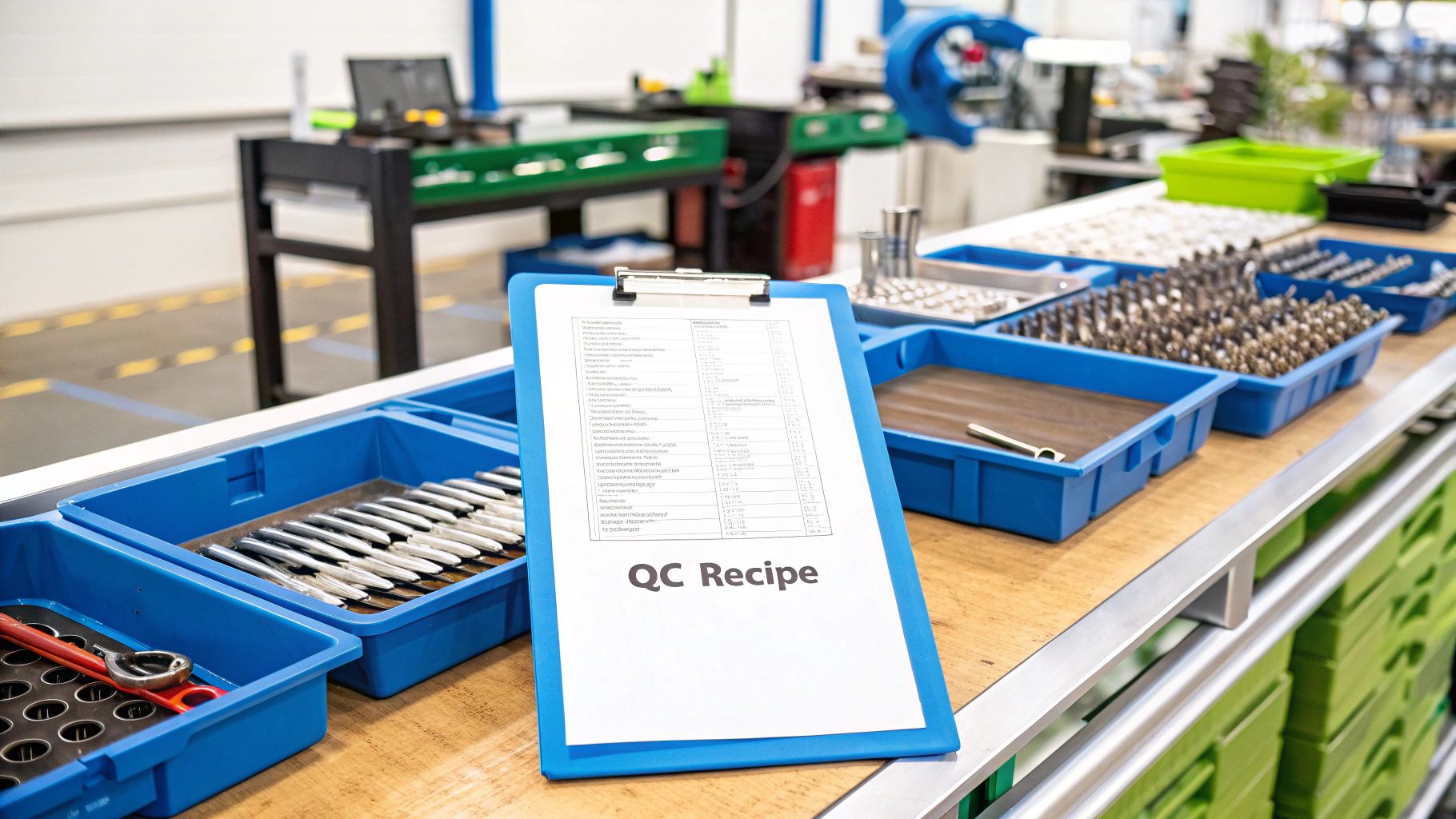
Think of quality control processes as a recipe for your success. A baker follows precise steps to make sure every cake comes out just right, and in the same way, these processes give your business a clear set of standards and checkpoints.
The goal is simple: make sure your product or service is consistently great, keeping customers happy every single time. This isn't about bogging your team down with complicated rules; it's about building a smart, reliable framework so everyone can catch small hiccups before they turn into major headaches.
Defining Your Promise to Customers
At its heart, quality control is a promise. It’s the promise you make to your customers that what they buy from you will meet a certain standard of excellence, time and time again. That consistency is what builds trust and separates businesses that thrive from those that are constantly battling customer churn.
So, how do you build a system that keeps this promise? It starts with a few key ingredients.
Core Components of a Quality Control System
| Component | Description | Why It Matters for Your Business |
|---|---|---|
| Clear Standards | Defining exactly what a high-quality outcome looks like—from raw materials to the final presentation. | Removes guesswork and ensures everyone is aiming for the same target. |
| Strategic Checkpoints | Creating specific points in your workflow where quality is measured, verified, and signed off on. | Catches defects early, saving you money and protecting your brand from mistakes. |
| Team Empowerment | Giving your staff the tools, training, and authority to identify and correct issues on the spot. | Turns every employee into a quality champion and fosters a culture of ownership. |
By focusing on these areas, you build a culture where quality is everyone's job, not just a final inspection at the end of the line.
Quality control isn't an expense; it's an investment in your brand's reputation. It’s the system that ensures the hard work you put into your business is reflected in every single customer experience, building a foundation of trust that drives long-term growth.
Why Quality Control Is a Business Multiplier
Putting solid quality control processes in place does way more than just catch errors. It acts as a powerful multiplier for your business, boosting efficiency, team morale, and, yes, your bottom line.
For a service business like a restaurant, this means making sure every customer interaction is positive. Following strict food safety sanitation guidelines isn't just a regulatory chore; it’s a core part of quality control that protects both customers and the business's reputation.
Ultimately, QC is also a fantastic data-gathering tool. By tracking where issues pop up, you gain invaluable insights to continuously improve your processes. That feedback loop is the secret sauce to staying ahead, which we cover in our guide on harnessing customer feedback for business growth.
The Hidden Costs of Poor Quality Control
When you think about the cost of bad quality control, what comes to mind? A customer refund? A returned product? That’s just the tip of the iceberg.
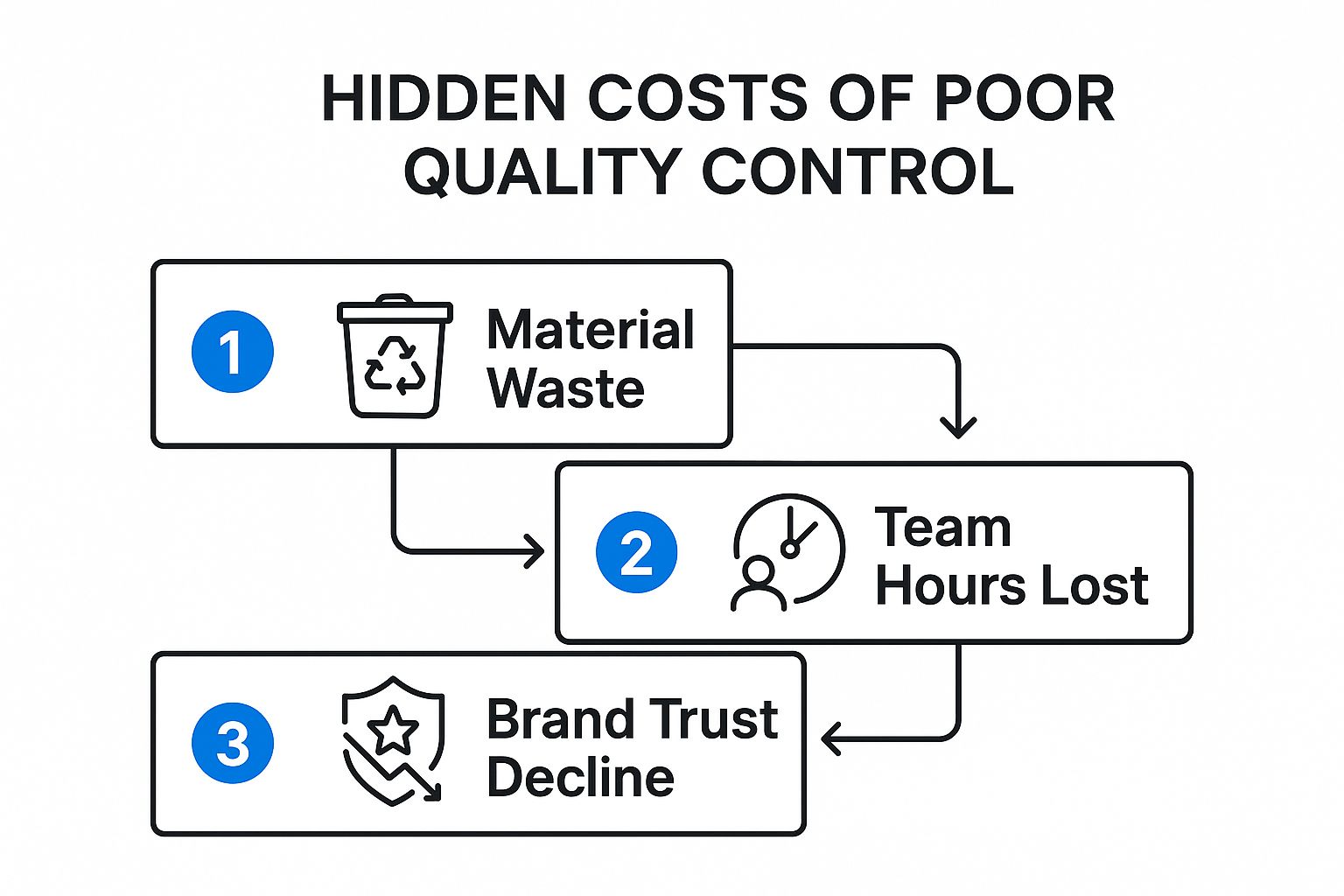
The real costs are hidden beneath the surface. It’s the entire batch of product you have to scrap, wasting materials and money. It's the hours your team spends putting out fires, which slowly drains their morale.
But the biggest hit is the one you can't see on a balance sheet: the slow, quiet death of your brand's reputation. For any small business, trust is everything. Once you lose it, earning it back is an uphill—and expensive—battle.
The Ripple Effect of a Single Mistake
A tiny slip-up can easily spiral into a major disaster. One poorly cooked meal, a single shoddy repair, or one rude employee can spawn a negative online review that haunts you forever, scaring away countless new customers.
This is the real financial bleed. When quality control processes are an afterthought, the consequences are massive.
- Increased Waste: Every product you have to toss is a direct loss of materials and labor.
- Lost Productivity: Your team gets stuck doing damage control instead of tasks that make you money.
- Negative Reviews: Bad experiences fuel bad reviews, which directly impacts your customer experience optimization.
This casual approach to quality can even show up in how your business looks and feels, which is why resources like the ultimate cleaning checklist for commercial facilities are so important.
The most expensive mistake is the one that reaches your customer. Proactive quality control isn't about perfection; it's about preventing problems before they have a chance to damage your reputation and your revenue.
Skipping a solid quality plan is like leaving the front door of your business unlocked. You can continue losing customers and sleep, or build a system that fuels growth and creates a brand people know they can count on.
Your Simple 3-Step Quality Overhaul Plan
Feeling overwhelmed by quality issues usually means you need a simpler plan, not a more complicated one. This is our straightforward plan to build effective quality control processes in three manageable steps.
This isn't about a massive corporate overhaul; it's about giving you and your team a system you can actually use every day.
Step 1: Define What "Good" Looks Like
First, you have to decide exactly what "quality" means for your business. If your team doesn't have a clear target, they're just guessing. Inconsistency is born from ambiguity, so your job is to make the goal crystal clear.
Create a simple guide or checklist that answers questions like:
- What are the exact specs for materials we get from suppliers?
- What does a perfectly finished product look, feel, and function like?
- How should a customer be greeted on the phone or in person?
When you set these benchmarks, you're not micromanaging; you're empowering your team by showing them exactly how to win.
Step 2: Set Up Smart Checkpoints
Next, weave checkpoints into your daily workflow. These aren't roadblocks; they’re small, quick stops designed to catch minor issues before they snowball into reputation-damaging disasters. This is the heart of proactive quality control processes.
For a restaurant, a checkpoint might be the head chef giving every plate a final look before it goes out. It’s that final, expert glance.
A checkpoint is just a planned pause to ask one simple question: "Does this meet our standard?" Answering that question along the way is way cheaper than dealing with a bad online review later.
Place these checks at natural transition points in your process. This turns quality control from a frantic final inspection into a calm, continuous habit.
Step 3: Create a Feedback Loop
Finally, the best systems get better over time. A feedback loop is your engine for continuous improvement, ensuring you’re always learning and adapting.
When a product fails a check or a customer complains, don’t just fix that one thing. Dig deeper. Ask why it happened and adjust your process so it’s less likely to happen again.
Your team is your greatest asset here. You need a culture where they feel safe pointing out a problem. Disengaged employees can hide issues, so our guide on how to deal with unhappy employees can be a huge help.
This 3-step plan—Define, Check, and Refine—is your guide to taking back control, building a rock-solid reputation, and getting the peace of mind that comes from knowing you deliver your best, every single time.
What Success Looks Like for Your Business
Imagine a business where five-star reviews are the norm, not a happy accident. Picture your team buzzing with pride because they know every product they ship or service they deliver is top-notch.
That’s the kind of quiet confidence that comes from mastering your quality control.
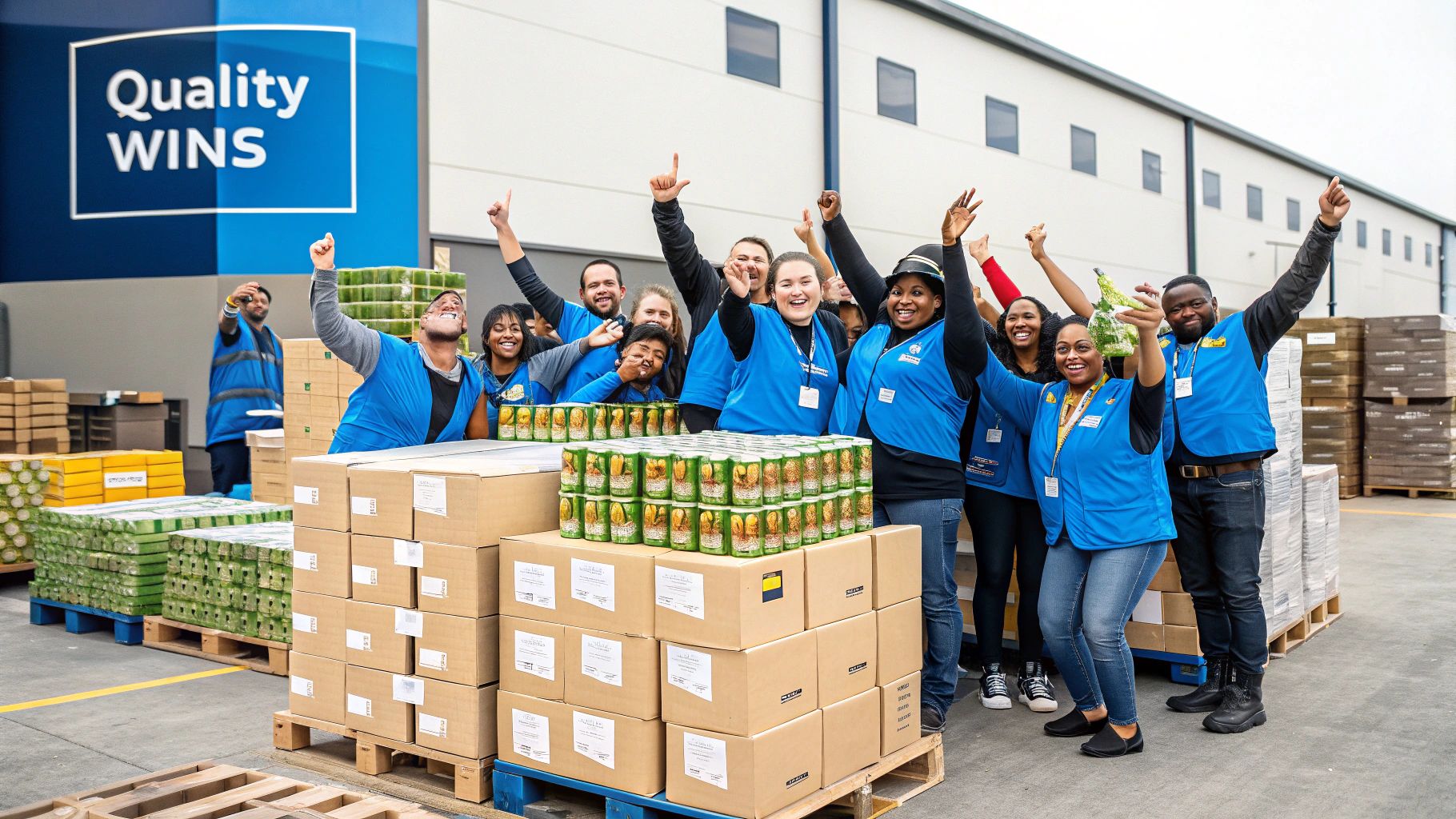
Real success with quality control processes isn't just about fielding fewer complaints. It's about building a business that’s stronger, smarter, and more profitable from the inside out. Your reputation stops being a source of stress and starts becoming your most effective marketing tool.
A Reputation that Drives More Sales
Once your quality becomes consistently great, your reputation starts doing the heavy lifting for you, 24/7. Positive word-of-mouth and glowing online reviews suddenly become your best lead-generation engine.
Success looks like:
- Higher Profit Margins from reduced waste and fewer refunds.
- Empowered Teams who take pride in their work, boosting morale.
- A Brand that Attracts Customers seeking you out because they trust you.
It's a complete flip from the constant anxiety of wondering when the next bad review will hit. You can dig deeper into this topic in our guide on customer satisfaction measurement tools.
When your quality is undeniable, your customers become your best salespeople. Their authentic praise and five-star reviews build a level of trust that no marketing campaign can buy.
This commitment to excellence turns quality control from a point of stress into a powerful engine for sustainable growth. You finally get the peace of mind that comes from knowing your business is built on a solid foundation, ready to thrive for years to come.
Stop Losing Customers to Bad Reviews
Here you are at a crossroads. You can stick with the status quo—crossing your fingers and hoping for the best while your reputation hangs in the balance. Or, you can take control and build a business known for its rock-solid quality.
The stakes are clear: continue losing customers and sleep, or achieve the growth and peace of mind you deserve. Our simple 3-step plan gives you the dependable quality control processes you need.
By taking action now, you can:
- Guard your brand against the sting of negative feedback.
- Build real, sustainable growth on a foundation of customer trust.
- Free yourself up to think about the big picture, not just the next crisis.
Don't let another preventable mistake chip away at the business you’ve poured your heart into. It's time to take the wheel.
Schedule your free, no-obligation quality audit today. We'll help you pinpoint the exact steps you need to take to protect your brand and lock in your success. Stop leaving your reputation to chance and start building the future you’ve earned.
Got Questions? We've Got Answers
Stepping into the world of formal quality control can feel a bit daunting, especially when you're already juggling a million things as a small business owner. It's totally normal to wonder where to start.
We've pulled together some of the most common questions we hear. This is a straightforward chat to show you that QC isn't about rigid rules, but about smart, practical habits that protect your business and keep your customers happy.
What’s the Real Cost of Implementing Quality Control?
The cost of implementing quality control is whatever you need it to be. You absolutely don't need a pricey consultant or complicated software to get the ball rolling. The biggest initial investment is usually time—time to think through your standards and get your team on the same page.
You can start making a huge impact with simple, low-cost tools:
- Checklists: Whether on a clipboard or a tablet, checklists cost next to nothing.
- Team Huddles: Quick, daily meetings can boost quality without adding a dime to your budget.
- Simple Software: A basic spreadsheet can work wonders for tracking defects or customer feedback.
The cost of not having quality control—wasted materials, angry customers, and a damaged reputation—is almost always way higher.
The real question isn't "What does quality control cost?" It's "What is poor quality costing my business every single day?"
Can a Small Team Really Handle Quality Control?
Yes, 100%. In fact, small teams often have a secret weapon: communication is faster, and everyone is closer to the customer. You don’t need a separate "quality department" to get incredible results.
The trick is to create a culture where quality is everyone's job. It’s about empowering each person on your team to be the inspector of their own work. For a small crew, that shared responsibility is your biggest strength.
How Will I Know If My QC Process Is Actually Working?
You don’t need a data scientist to figure it out. You can track a few key things to see the direct impact of your new quality control processes.
Start by keeping an eye on these simple but powerful signs:
- Fewer Mistakes: Are you seeing a drop in the number of products that get rejected or services that need a do-over?
- Happier Customers: Keep a close eye on your online reviews and customer emails.
- Less Money Going Out the Door: A lower rate of returns or refunds is a direct financial signal.
- A More Confident Team: When your team is producing great work, their job satisfaction and pride will soar.
By tracking these numbers, you’ll see the real-world benefits of your quality control efforts, proving that your hard work is building a stronger, more reliable business.
Ready to stop putting out fires and start building a reputation for rock-solid quality? The team at Review Overhaul offers the expert guidance and simple systems you need to make quality your biggest advantage. Schedule your free consultation today and let's build a business your customers will trust and recommend for years to come.
